

Inflammation gets a lot of attention—most of it negative. Anti-inflammatory diets, supplements, and medications are everywhere. But inflammation isn’t inherently bad. In fact, without it, you couldn’t survive. When people ask, “what is inflammation in the body,” the simplest answer is that it is the body’s vital immune response to injury, infection, or perceived threat. It’s the mechanism by which the body heals wounds, fights pathogens, and repairs tissue. The problem arises when inflammation doesn’t turn off when it should—becoming chronic, low-grade, and damaging over time.
Understanding the difference between acute and chronic inflammation is one of the most practically useful things you can know about your own health.
Acute Inflammation – The Good Kind
Acute inflammation is short-term, intentional, and essential. It kicks in immediately when you:
- Cut your finger
- Get a bacterial or viral infection
- Sprain an ankle
- Breathe in an irritant
The classic signs – known since ancient Rome – are:
| Latin Term | English | What You Notice |
|---|---|---|
| Rubor | Redness | Increased blood flow to the area |
| Calor | Heat | Warmth from blood vessel dilation |
| Tumor | Swelling | Fluid and immune cells flooding the tissue |
| Dolor | Pain | Nerve endings sensitized to prompt protection |
| Functio laesa | Loss of function | The area works less well while healing |
This process is well-regulated, purposeful, and temporary. Once the threat is neutralized, anti-inflammatory signals bring everything back to baseline. This is exactly how it should work.
How Inflammation Works at the Cellular Level
When tissue is damaged or infected:
- Mast cells at the injury site release histamine and other chemical signals
- Blood vessels dilate – increasing blood flow to the area
- White blood cells (neutrophils, macrophages) rush in to destroy pathogens and clear debris
- Cytokines – signaling proteins – coordinate the immune response
- The clotting cascade begins to stop bleeding
- Tissue repair follows once the threat is cleared
The whole process is orchestrated, intelligent, and self-limiting – under normal circumstances.
Chronic Inflammation – When the Alarm Won’t Turn Off
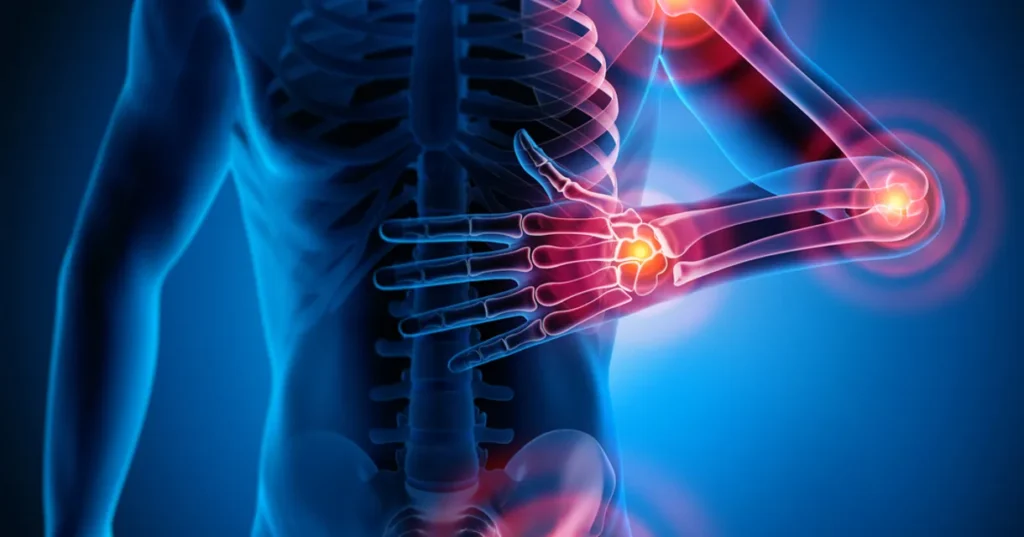
Chronic inflammation is a different story entirely. It occurs when the immune system remains in a low-level state of activation without an active, acute threat. The body keeps sending immune signals – but they’re attacking healthy tissue, contributing to dysfunction, and quietly damaging organs over years and decades.
It’s sometimes called “silent” inflammation because it often produces no obvious symptoms – until disease develops.
Chronic inflammation is now understood to underlie or contribute to:
| Disease | Inflammatory Connection |
|---|---|
| Heart disease | Inflamed arterial walls trap LDL cholesterol |
| Type 2 diabetes | Inflammation impairs insulin signaling |
| Obesity | Fat tissue is metabolically active and pro-inflammatory |
| Alzheimer’s disease | Neuroinflammation damages brain tissue |
| Cancer | Chronic inflammation creates an environment for tumor growth |
| Autoimmune diseases | Immune system attacks the body’s own tissues |
| Depression | Elevated inflammatory markers linked to mood disorders |
| Arthritis | Joint inflammation and cartilage breakdown |
| Inflammatory bowel disease | Chronic gut inflammation |
What Causes Chronic Inflammation?
Many modern lifestyle factors drive persistent low-grade inflammation:
- Poor diet – ultra-processed foods, excess sugar, refined carbohydrates, and industrial seed oils promote inflammatory signaling
- Obesity – fat tissue (especially visceral fat) secretes inflammatory cytokines
- Chronic stress – cortisol dysregulation keeps the immune system on edge
- Poor sleep – even one night of inadequate sleep elevates inflammatory markers
- Sedentary lifestyle – exercise has potent anti-inflammatory effects; its absence is pro-inflammatory
- Smoking – direct tissue inflammation in lungs and blood vessels
- Alcohol excess – promotes gut permeability (“leaky gut”) that allows bacterial products to enter circulation
- Chronic infections – some pathogens (like H. pylori, certain viruses) maintain ongoing immune activation
- Environmental toxins – air pollution, plasticizers, pesticides have been linked to inflammatory signaling
- Gut dysbiosis – an imbalanced gut microbiome promotes systemic inflammation
How to Know If You Have Chronic Inflammation
No single symptom reveals chronic inflammation – it often has no obvious symptoms at all. But certain signs suggest it may be present:
- Persistent fatigue without clear cause
- Frequent infections
- Body aches without injury
- Digestive issues (bloating, irregular bowel habits)
- Skin conditions (eczema, psoriasis, rosacea)
- Mood disorders, brain fog
- Elevated C-reactive protein (CRP) on a blood test
The most reliable blood markers for inflammation:
| Marker | What It Measures |
|---|---|
| C-reactive protein (CRP) | General inflammation; elevated by infection, injury, or chronic disease |
| High-sensitivity CRP (hs-CRP) | Low-level chronic inflammation; cardiovascular risk indicator |
| ESR (erythrocyte sedimentation rate) | Older inflammation marker |
| Homocysteine | Cardiovascular inflammation risk |
| Fibrinogen | Clotting protein elevated in inflammation |
| Cytokine panels (IL-6, TNF-α) | More detailed inflammatory profiling; less routine |
Anti-Inflammatory Strategies That Work
Diet
An anti-inflammatory diet is the foundation:
- Increase omega-3 fatty acids (fatty fish, flaxseed, walnuts)
- Eat more colorful vegetables and fruits (polyphenols reduce inflammation)
- Use olive oil as your primary fat
- Reduce refined sugar and processed carbohydrates
- Limit processed meats and ultra-processed foods
- Consider a Mediterranean or whole-foods diet pattern
Exercise
Regular moderate exercise reduces circulating inflammatory markers significantly. Both aerobic exercise and resistance training have anti-inflammatory effects. Even 20-30 minutes of daily walking makes a measurable difference.
Sleep
Prioritizing 7-9 hours of quality sleep consistently is one of the most powerful anti-inflammatory interventions available. Sleep is when repair, clearing of cellular debris, and immune regulation occur.
Stress Management
Chronic psychological stress drives chronic inflammation through the HPA axis and cortisol dysregulation. Mindfulness, breathing practices, time in nature, and social connection all have documented anti-inflammatory effects.
Weight Management
Even modest weight loss reduces inflammatory cytokine secretion from fat tissue meaningfully.
Bottom Line
Inflammation is not the enemy – it’s a critical survival mechanism. But when it becomes chronic and uncontrolled, it quietly underpins nearly every major chronic disease of modern life. The good news is that chronic inflammation is highly responsive to lifestyle – the way you eat, move, sleep, and manage stress directly modulates your inflammatory state. This isn’t abstract wellness advice; it’s supported by decades of immunology research.
