
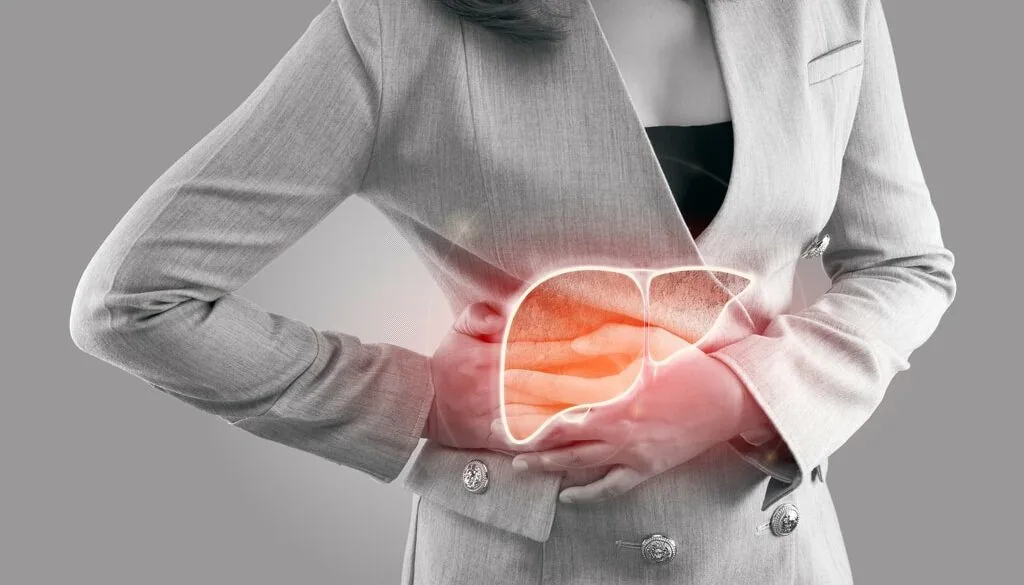
This is a question that deserves an honest answer before anything else: liver cirrhosis cannot be fully “cured” in the traditional sense once advanced scarring has occurred. Cirrhosis means the liver has developed permanent structural scarring (fibrosis) that replaces healthy tissue.
However—and this is the genuinely hopeful part—early-stage cirrhosis can be halted, and in some cases partially reversed, when the underlying cause is identified and eliminated. When people share stories of “how I cured my liver cirrhosis,” they are usually describing this kind of meaningful, functional recovery where the liver regains its ability to perform vital tasks. People do recover functional liver health, lead normal lives, and avoid the need for transplant by making significant changes in time.
What Stage Matters Enormously
| Stage | Technical Term | What It Means | Reversibility |
|---|---|---|---|
| Stage 1-2 (compensated) | Early cirrhosis | Scarring present but liver still functions | Partial reversal possible |
| Stage 3-4 (compensated) | Moderate cirrhosis | More scarring; liver compensating | Progression can be halted |
| Decompensated cirrhosis | Advanced | Liver failing – jaundice, ascites, varices | Cannot reverse scarring; manage complications |
| End-stage | Liver failure | Transplant consideration | Transplant only option |
What “Recovery” From Cirrhosis Actually Looks Like
People who genuinely improve from cirrhosis typically achieve:
- Reversal of inflammation – the ongoing injury stops
- Improvement in liver function tests – ALT, AST, bilirubin normalise
- Reduced fibrosis – early studies show the liver can reabsorb some scar tissue when the injury stops
- Prevention of progression – stopping at an earlier stage prevents decompensation
- Improved quality of life – energy, digestion, and mental clarity often improve significantly
The Causes That Can Be Addressed
This is where real change happens. Cirrhosis driven by a reversible cause has the best chance of meaningful recovery:
| Cause | What Reversal Looks Like |
|---|---|
| Alcohol-related cirrhosis | Complete alcohol abstinence – the most impactful single intervention |
| Non-alcoholic fatty liver disease (NAFLD/NASH) | Weight loss, metabolic improvement, dietary change |
| Hepatitis C | Cure is now achievable with direct-acting antivirals (DAAs) in 8-12 weeks; liver function often dramatically improves post-cure |
| Hepatitis B | Antiviral suppression of viral load protects the liver from ongoing damage |
| Autoimmune hepatitis | Immunosuppressive treatment controls the immune attack |
| Haemochromatosis | Regular venesection (blood removal) to reduce iron overload |
| Primary biliary cholangitis | Ursodeoxycholic acid slows progression |
The Lifestyle Changes With the Most Impact
Alcohol – Complete Abstinence
For alcohol-related cirrhosis, stopping entirely is not optional – it’s the treatment. Studies consistently show that compensated alcoholic cirrhosis patients who achieve complete abstinence have dramatically better survival outcomes than those who continue drinking, even minimally.
Diet and Weight
For NAFLD/NASH cirrhosis:
- 10% weight loss has been shown to significantly reduce liver inflammation and steatosis
- Mediterranean diet pattern consistently shows liver-protective effects
- Avoid fructose, refined carbohydrates, and saturated fat
- Coffee – 2+ cups per day has shown consistent associations with slower fibrosis progression in multiple studies
Exercise
Regular physical exercise reduces liver fat content independently of dietary changes. 150 minutes of moderate aerobic activity per week is the evidence-based target.
Medications to Avoid
The cirrhotic liver cannot metabolise many medications safely:
- Avoid NSAIDs (ibuprofen, naproxen) – risk of kidney failure and GI bleeding
- Avoid paracetamol in large doses – while safe in normal doses, liver damage risk increases
- Avoid herbal supplements – many are hepatotoxic
- Alcohol-based medications – check formulations
What Follow-Up Looks Like for Liver Cirrhosis
Even when improving, cirrhosis requires ongoing monitoring:
| Monitoring | Frequency | Why |
|---|---|---|
| Liver function tests | Every 3-6 months | Track improvement or progression |
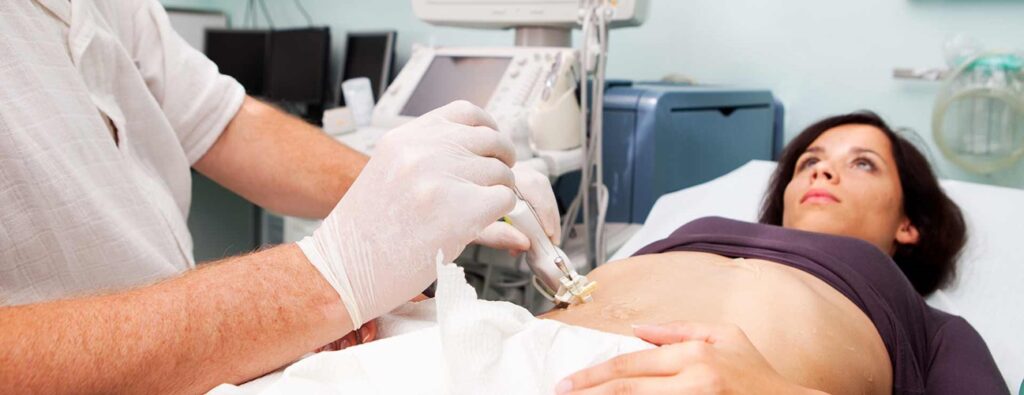
| Liver ultrasound | Every 6 months | Screen for hepatocellular carcinoma (HCC) |
| AFP (alpha-fetoprotein) | Every 6 months | HCC screening marker |
| Endoscopy | Every 1-3 years | Screen for oesophageal varices |
| Fibroscan | Annually | Assess fibrosis level |
The Real Message
The people who say “I cured my cirrhosis” have almost certainly done two things: identified and eliminated the cause, and made the lifestyle changes necessary to stop ongoing liver injury. In early-stage cirrhosis, this can result in genuine, measurable improvement in liver health. This isn’t a cure in the sense of erasing the past – but it can mean a functional, healthy life and avoiding the endpoints of liver failure.
That’s worth everything.
When to See a Hepatologist
If you have a cirrhosis diagnosis:
- Find a hepatologist (liver specialist), not just a general practitioner
- Get a full workup to identify the exact cause
- Start monitoring immediately – especially ultrasound every 6 months for liver cancer screening
- Ask about antiviral therapy if viral hepatitis is involved
Bottom Line
Cirrhosis reversal isn’t a myth – but it has limits and context. Early cirrhosis caused by a treatable underlying cause offers the best chance of meaningful recovery. Complete alcohol abstinence, antiviral therapy for hepatitis, significant weight loss for NAFLD, and regular monitoring form the backbone of what actually works. The liver is one of the most regenerative organs in the body – give it the right conditions and it will do the rest.
