
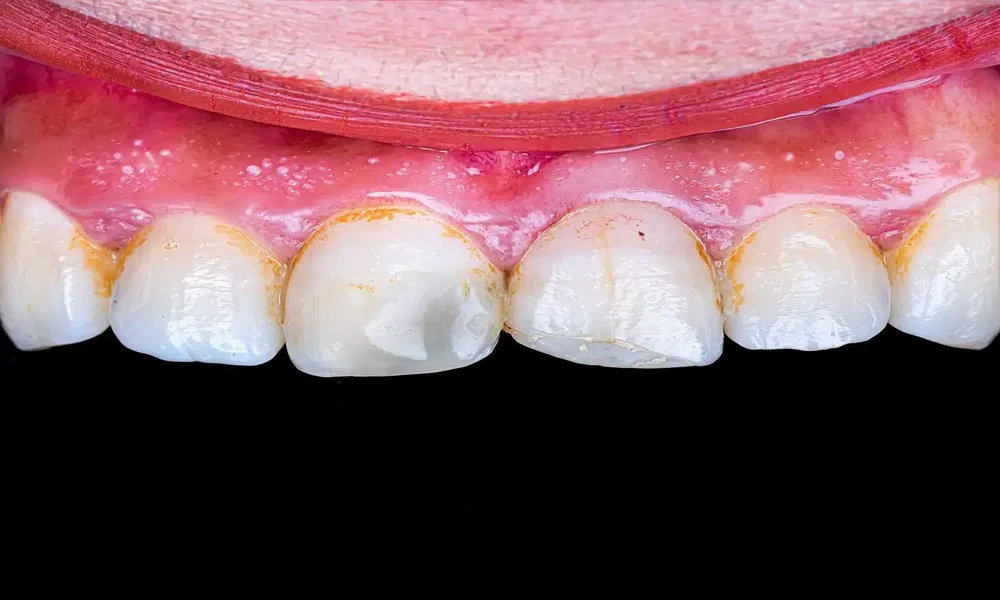
You can do everything right, choose a filling color carefully, commit to a veneer or bonding treatment, and still feel let down when the final result looks dull, rough, or slightly off. That frustration is real. Most people focus on the material itself, but the last stage often shapes what you actually see and feel every day. Finishing and polishing are not cosmetic extras. An Edmonton family dentist knows they affect shine, comfort, stain resistance, gum health, and how natural your dental work blends with the rest of your smile.
In a cosmetic dental finishing and polishing process, small details matter. A restoration that is shaped well but left rough can catch light the wrong way, hold plaque, stain faster, and feel strange against your tongue. A restoration that is finished and polished with care tends to look smoother, cleaner, and more lifelike. That is true whether you are getting bonding, tooth colored fillings, veneers, or other work from a family and cosmetic dentist.
Finishing and polishing shape the final cosmetic dental result
Finishing is the step where the dentist refines the shape of the restoration. Polishing smooths the surface and brings it closer to the sheen of natural enamel. Those two steps sound simple, but they influence both appearance and function.
If the contour is too flat, too bulky, or uneven at the edges, the restoration may stand out even when the shade match is good. If the surface is rough, it can collect more plaque and pigment from coffee, tea, wine, or tobacco. Research on dental materials and restoration surfaces continues to show that surface texture affects wear, esthetics, and biofilm retention. The NIDCR overview of dental materials explains why material behavior and finishing methods matter after placement, not just during it.
You may notice this in ordinary ways. Your tongue keeps finding one edge. Floss shreds in one spot. A front tooth filling looks fine in the chair, then looks chalky in sunlight. These are often finishing and polishing issues, not signs that you imagined the problem.
Surface smoothness affects comfort, stain resistance, and gum response
Rough dental work does more than look less polished. It can irritate nearby gum tissue and make home care harder. Plaque sticks more easily to irregular surfaces, and that can lead to tenderness, bleeding, or a restoration that loses its fresh look sooner than expected. If you already paid for cosmetic work, having it stain early or feel uneven can be discouraging.
For composite bonding and tooth colored fillings, the final polish is especially important because these materials can lose luster over time if the surface is not refined well. For porcelain veneers and ceramic restorations, finishing at the margins matters just as much. A beautiful veneer with a rough edge can still feel wrong and can still trap debris.
The broader science behind restoration longevity, wear, and maintenance is covered in the NCBI dental restoration reference. The short version is clear. The last steps help protect the result you paid for.
Esthetic dentistry depends on details most patients never see
When people think about smile improvements, they usually picture shade charts, before and after photos, and the type of treatment they need. What they do not see are the discs, burs, strips, polishing points, and pastes used to refine the result. Those details often separate work that looks dental from work that looks natural.
Polishing in cosmetic dentistry also affects how light reflects off the tooth. Natural enamel has a certain gloss and texture. If a restoration is too matte, too shiny, or uneven across the surface, your eye catches it even if you cannot explain why. That is one reason esthetic focused programs, such as the Tufts esthetic dentistry clinic, place such a strong focus on finish, contour, and surface character.
This matters for back teeth too. A rough molar filling may not show in photos, but it can change how your bite feels and how easy the area is to clean. Cosmetic and functional results are tied together more closely than many people realize.
Professional finishing and polishing offers clear advantages
| Factor | Careful Professional Finish and Polish | Minimal or Incomplete Finish and Polish |
|---|---|---|
| Appearance | Better gloss, smoother blend with natural enamel, more lifelike light reflection | Dull, chalky, overly shiny, or visibly uneven surface |
| Comfort | Smooth edges, less tongue irritation, more natural feel | Rough spots, catching on floss, awareness of the restoration |
| Stain resistance | Lower surface roughness helps reduce stain buildup | Rougher surface tends to pick up pigment faster |
| Gum response | Cleaner margins are easier to maintain | Plaque retention near rough margins can irritate gums |
| Longevity | Better surface quality may support longer lasting esthetics | Earlier wear, discoloration, or need for touch ups |
What you can do before and after cosmetic dental treatment
Ask how the final surface will be refined. You do not need to know every instrument name. Ask whether the restoration will be shaped, checked in different lighting, and polished to match nearby enamel. That question alone tells you whether detail is part of the plan.
Pay attention to feel, not just color. If your new filling, bonding, or veneer feels rough, catches floss, or keeps drawing your tongue, say so. A small adjustment and repolish can make a major difference. Waiting too long can allow stain and plaque to build up.
Protect the finish at home. Use a soft toothbrush, non abrasive toothpaste if recommended, and keep up with cleanings. If you grind your teeth, ask about a night guard. Even a well polished restoration can lose its surface quality under constant wear.
Good cosmetic dentistry looks easy because the hard work is in the details
The best cosmetic dental results rarely announce themselves. They look natural, feel smooth, and fade into your smile instead of standing apart from it. That usually comes from careful planning, good materials, and a dentist who treats finishing and polishing as part of the treatment, not the end of the appointment.
If you are considering work with a family and cosmetic dentist, or if you have a restoration that looks or feels unfinished, ask for a closer evaluation of the surface, contour, and polish. Small refinements can change the result more than most people expect.
