
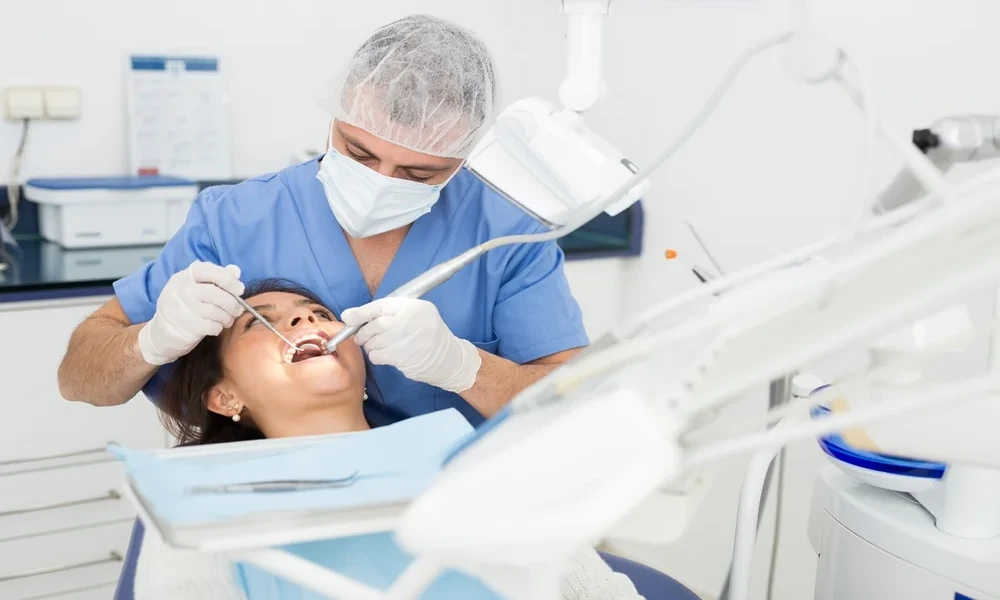
You notice the small things before anyone else does. A child who breathes through the mouth at night, baby teeth lost too early, crowded teeth starting to overlap, brushing that never seems to reach the back corners. It is easy to think braces are just in the future and there is nothing to do until the teeth come in more fully. That is where many families get stuck, and why general dentistry in North Edmonton can help spot concerns early.
The truth is simpler and more reassuring. Preventive dentistry can lower the chance that small oral health problems turn into larger alignment issues. It cannot erase every need for orthodontic care, because genetics and growth patterns still matter, but it often reduces the severity, length, and cost of treatment later. A good Family Dentist watches growth, protects baby teeth, treats decay early, and helps guide habits that affect how the jaws and teeth develop.
Preventive dental care changes the path before crowding gets worse
Most orthodontic problems do not start with a dramatic moment. They build slowly. A cavity in a baby molar leads to early tooth loss. The nearby teeth drift into that open space. The adult tooth trying to erupt later has less room, and crowding follows. According to MedlinePlus information on tooth decay, decay can destroy tooth structure and lead to pain, infection, and tooth loss. In children, that loss does not just affect comfort. It can change spacing and bite development.
You may already know how fast these changes can happen. One missed cleaning turns into a filling. One filling delayed too long turns into an extraction. Then a child who may have needed only minor orthodontic correction ends up with more complex treatment because space was lost.
Early dental prevention for braces reduction starts long before anyone talks about appliances or aligners. Regular checkups help a dentist spot enamel wear, bite changes, delayed eruption, and oral habits such as thumb sucking or tongue thrusting. These are not cosmetic details. They can shape the way the upper and lower jaws meet.
Oral habits and untreated disease often raise future orthodontic needs
Some children have perfect brushing charts on the fridge and still develop habits that push teeth out of place. Thumb sucking, prolonged pacifier use, mouth breathing, and poor tongue posture can all affect alignment over time. MedlinePlus explains that thumb sucking in children may lead to changes in the roof of the mouth and the position of the teeth when the habit continues past the early years.
This is where parents often feel frustrated. You can do a lot right and still see teeth shifting in a direction you do not like. That does not mean prevention failed. It means prevention is broader than brushing. It includes habit guidance, monitoring growth, fluoride use, sealants, and treatment before pain forces a bigger decision.
The same pattern shows up with gum health. Inflamed gums and plaque buildup make home care harder, and crowded areas become even harder to clean. That cycle can speed up decay and make orthodontic care more difficult later. Good prevention interrupts the cycle early.
Family dentistry helps protect spacing, jaw development, and long term costs
A Family Dentist does more than clean teeth. They track development through each stage, from baby teeth to mixed dentition to adult teeth. They can recommend space maintainers when baby teeth are lost too soon, discuss fluoride and sealants, and refer for orthodontic evaluation when timing matters. That kind of timing can make a real difference.
For many families, the financial side hits hard. Preventive visits are usually far less expensive than fillings, extractions, emergency care, and extended orthodontic treatment. There is also the time cost. Repeated urgent appointments, school absences, and longer treatment plans wear people down. Reducing orthodontic treatment with preventive care often means fewer complications to manage later, even when braces are still part of the picture.
The Centers for Disease Control and Prevention offers practical oral health tips for children that support this approach, including brushing with fluoride toothpaste, drinking fluoridated water, and keeping regular dental visits.
Preventive dentistry and delayed care lead to very different outcomes
| Situation | Preventive approach | Delayed approach |
|---|---|---|
| Small cavity in a baby molar | Early filling preserves the tooth and maintains space for the adult tooth | Decay worsens, tooth may be lost early, nearby teeth drift into the gap |
| Thumb sucking beyond toddler years | Habit coaching and monitoring reduce pressure on developing teeth and palate | Open bite or protruding front teeth become more likely |
| Crowding begins as adult teeth erupt | Regular exams catch spacing issues early and support timely referral | More severe crowding may require longer orthodontic treatment later |
| Poor brushing in hard to reach areas | Professional cleanings, sealants, and home care coaching lower decay risk | More decay, gum irritation, and harder orthodontic care in the future |
Small actions at home and in the dental chair can prevent larger problems
1. Keep routine dental visits on schedule.
Do not wait for pain. Regular exams help catch decay, spacing changes, bite concerns, and harmful habits before they create a bigger orthodontic problem. This is one of the most effective forms of preventive dental care.
2. Protect baby teeth like they matter, because they do.
Baby teeth hold space for adult teeth and guide eruption. Treat cavities early, ask about sealants and fluoride, and do not assume a tooth is unimportant just because it will fall out later.
3. Address habits and breathing issues early.
If your child sucks a thumb, uses a pacifier for too long, breathes through the mouth, or snores often, bring it up at the dental visit. These details can affect jaw growth and alignment more than many parents realize.
Early prevention gives your child more options later
If you have been worrying that braces are unavoidable, that worry makes sense. Teeth can change quickly, and it is hard to know what matters and what does not. The good news is that prevention gives you leverage. Good home care, regular checkups, early treatment for decay, and attention to oral habits can reduce the severity of alignment problems and support healthier development overall.
When you want a clear plan, schedule a visit with a Family Dentist and ask for a full look at spacing, habits, and growth. Acting early is often the simplest way to protect your child’s smile and limit bigger orthodontic needs later.
