
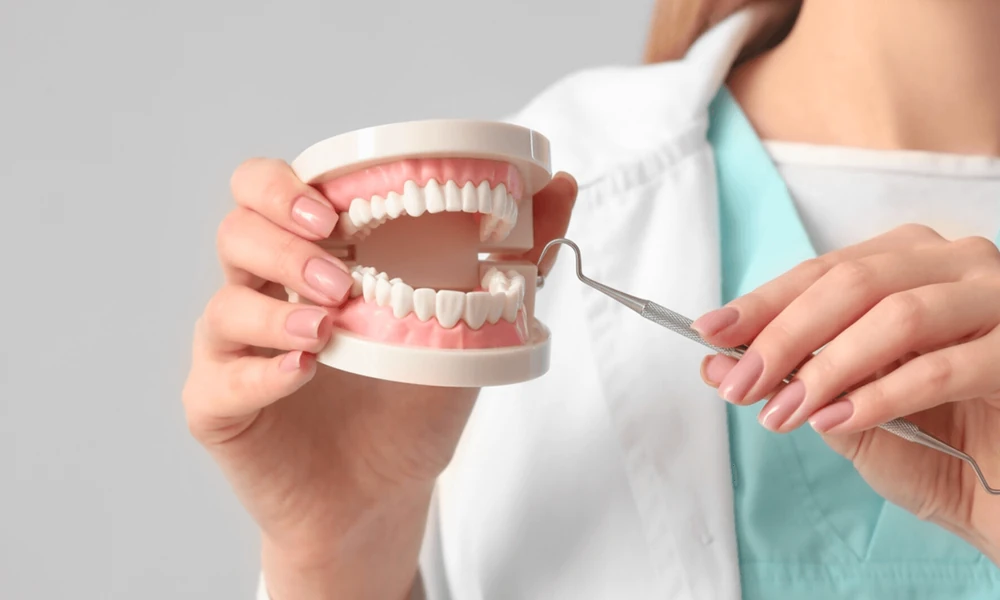
You notice it in small moments first. You cover your mouth when you laugh, avoid photos, or chew on one side because something does not feel right. A chipped tooth, stained enamel, sore gums, or an old filling that keeps catching your attention can wear on you more than most people realize. Dental problems are not only about looks. They affect comfort, speech, eating, sleep, and the way you carry yourself every day. If you are looking for a dentist in Castle Hills Forest, these concerns can be addressed before they begin to affect even more of your daily life.
That is why How Comprehensive Dentistry Builds Confidence And Lasting Smiles matters in such a real, personal way. When general, cosmetic, and restorative dentistry work together, the goal is not just to fix one tooth or brighten one smile. The goal is to support your oral health, repair damage, improve appearance, and help you feel steady again when you speak, smile, and sit across from other people.
General, Cosmetic, And Restorative Dentistry Address More Than Appearance
Many people wait until pain forces a decision. That makes sense. Life gets busy, treatment costs can feel hard to sort out, and a lot of people have had at least one dental visit that left them tense. The problem is that small issues rarely stay small. A cavity can deepen, worn enamel can lead to sensitivity, and missing teeth can shift your bite and strain nearby teeth.
General dentistry handles the basics that protect your foundation, including exams, cleanings, gum care, and cavity treatment. Cosmetic dentistry focuses on the look of your smile through options like whitening, bonding, or veneers. Restorative dentistry repairs function with fillings, crowns, bridges, implants, and other treatments that rebuild damaged or missing teeth. When these services are planned together, you get a more stable result and a smile that looks natural instead of patched together.
This kind of dental care and smile restoration often changes more than people expect. If your front tooth is chipped, you may speak less in meetings. If you are missing a molar, you may stop eating certain foods and start dealing with jaw soreness. If your gums bleed, you may worry about what is happening but keep putting it off. According to the CDC’s oral health overview, oral health is linked to overall health and quality of life. That connection shows up in daily habits, confidence, and long term wellness.
Untreated Dental Problems Can Shrink Your World
It is easy to tell yourself that a cosmetic issue can wait or that mild discomfort is manageable. Then the issue starts shaping your choices. You smile with your lips closed. You turn down dinner plans because chewing is annoying. You delay care because you are worried the treatment will be bigger than you can handle, financially or emotionally.
That cycle tends to get expensive. A small filling usually costs less than a crown. A crown usually costs less than replacing a tooth. Preventive care gives you room to make decisions before urgency takes over. That matters if you are balancing family expenses or trying to avoid repeated visits.
There is also the emotional weight. People often think they are being vain when they care about the look of their teeth. They are not. Your smile is part of how you communicate. Wanting healthy teeth that look clean and even is not shallow. It is human. Full smile care supports both health and self trust, which is why many treatment plans blend prevention, repair, and appearance instead of treating them as separate concerns.
Comparing Short Term Fixes With Professional Dental Care
| Situation | Short Term Approach | Professional Dental Care | Likely Outcome |
|---|---|---|---|
| Tooth sensitivity | Using desensitizing toothpaste only | Exam to check for decay, cracks, gum recession, or bite wear | Relief is more likely to last when the cause is treated |
| Missing tooth | Avoid chewing on that side | Bridge, implant, or other restorative plan | Better chewing, less shifting, more balanced bite |
| Stained or uneven front teeth | Store bought whitening or hiding your smile | Whitening, bonding, or veneers based on enamel and goals | Safer cosmetic improvement with a more natural result |
| Bleeding gums | Brushing less to avoid irritation | Cleaning, periodontal evaluation, and home care guidance | Healthier gums and lower risk of deeper gum problems |
Reliable information helps you know what is normal and what needs attention. The MedlinePlus dental health resource explains common conditions, prevention, and treatment topics in clear language. If you have been unsure whether a symptom is minor or a sign of something bigger, that is a good place to start.
Comprehensive dental care works best when the plan fits your life
The best treatment plan is not the longest one or the most expensive one. It is the one that solves the real problem, protects your health, and respects your budget and timeline. You may need a cleaning and a filling now, then whitening later. You may need to rebuild a damaged tooth before doing cosmetic work around it. Good planning keeps you from spending money on changes that do not last because the underlying issue was never addressed.
This is where a broad approach to general, cosmetic, and restorative dentistry makes a difference. Instead of chasing one symptom at a time, your care can be sequenced in a way that protects results. Healthy gums support restorations. Restorations support chewing and speech. Cosmetic improvements tend to feel more satisfying when the bite is stable and pain is gone.
Three steps you can take right away
1. Write down what is bothering you most. Be specific. Is it pain, color, a missing tooth, bad breath, old dental work, or fear of smiling? That list helps turn a vague sense of frustration into clear treatment priorities.
2. Separate urgent needs from desired changes. Infection, pain, broken teeth, and gum bleeding should come first. Whitening or reshaping can come after health and function are stable. This keeps your plan realistic and easier to manage.
3. Ask for a phased treatment plan. If cost or time is weighing on you, ask for care in stages. Many people feel less overwhelmed when they can handle the most pressing issue first, then build toward long term repair and cosmetic goals.
A healthier smile can change how you move through the day
You do not need to keep adapting your life around dental problems. The right mix of general, cosmetic, and restorative dentistry can ease pain, repair damage, improve your smile, and help you feel like yourself again. Confidence usually returns in quiet ways first. You laugh without thinking about it. You eat what you want. You stop bracing for discomfort.
If you are ready to take the next step, schedule a dental evaluation and ask for a plan that covers health, function, and appearance together. Lasting smiles are built that way.
