
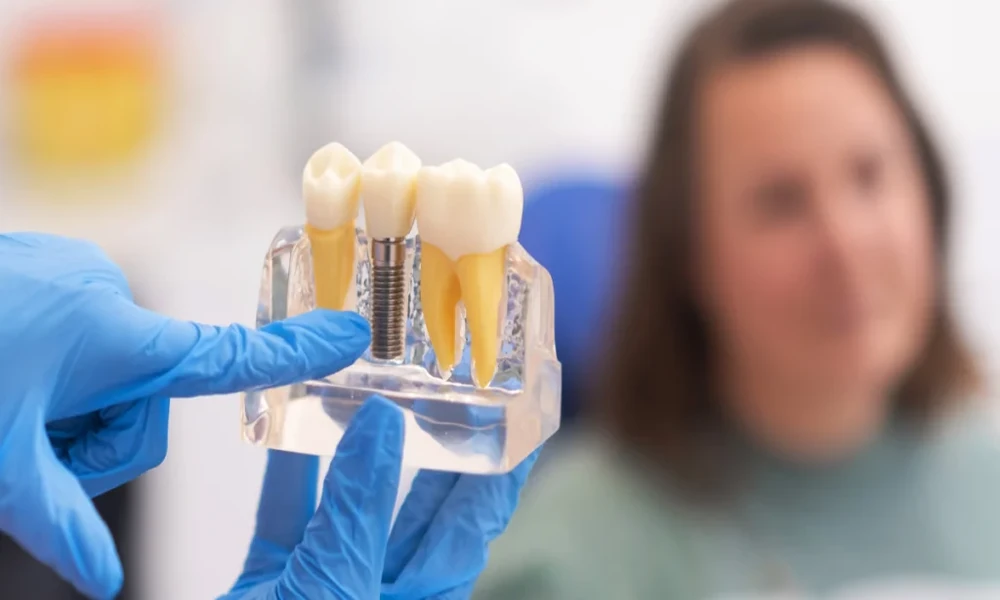
You might be feeling relieved that your implant procedure is behind you, but also a little unsure about what comes next. That is common. Many people think the hard part ends once the implant is placed and the new tooth looks right, yet the real success of dental implants often depends on what happens months and years later. If you have invested time, money, and trust into your smile, it makes sense to want that result to last. A Lodi dentist can help you protect that investment with the right long-term care.
The short version is simple. The importance of long term maintenance for dental implants comes down to protecting your health, your comfort, and your investment. Even though implants do not get cavities like natural teeth, the gums and bone around them still need steady care. Good home habits, regular dental visits, and early attention to small changes can help your implant stay stable for many years.
Why can a dental implant still have problems if it is not a natural tooth?
This is where people often get surprised. An implant is made from durable materials, but the tissue around it is still living tissue. Your gums can become irritated. Plaque can build up. Bone can slowly recede if inflammation is ignored. According to the FDA’s guidance on dental implants, patients should understand that implants can fail and that ongoing care matters after placement.
Because of this tension, you might wonder what long term problems actually look like. Sometimes it starts quietly. Maybe your gums bleed a little when you brush. Maybe food catches around the implant. Maybe the crown feels slightly different when you bite down. None of these signs should cause panic, but they should not be brushed off either. Small problems are usually easier and less costly to manage than advanced ones.
The goal of ongoing dental implant care is not perfection. It is consistency. A person who brushes well but skips follow up visits may miss bone loss that has no early pain. Another person may attend cleanings but grind their teeth at night and put too much force on the implant. In both cases, the implant may be at risk even though the person believes they are doing enough.
What can happen when implant maintenance gets delayed?
When maintenance slips, the risk is not just cosmetic. Inflammation around an implant can lead to peri implant disease, which affects the gum and bone that support it. Research published in a review on peri implant maintenance and outcomes has shown that long term monitoring and hygiene support are closely tied to better implant survival and healthier surrounding tissue.
Think about a simple what if. What if an implant feels fine, but plaque has been collecting under the gumline for months? You may not notice anything until there is bleeding, swelling, or loosening. By then, treatment can be more involved. You may need deep cleaning around the implant, bite adjustments, replacement of a damaged crown, or care for bone loss. That is stressful, and it can also become expensive.
This is one reason dental implant maintenance matters so much in family and cosmetic and implant dentistry. The implant is not a one time event. It becomes part of your daily health, much like caring for your natural teeth and gums.
How does long term care for implants compare with basic home care alone?
Home care is the foundation, but it works best when it is paired with professional follow up. The University of Iowa’s overview of dental implant treatment and follow up explains that regular evaluations help monitor healing, fit, hygiene, and the condition of the surrounding bone and gum tissue.
| Approach | What It Helps With | Limits to Keep in Mind |
|---|---|---|
| Home brushing and flossing | Reduces plaque, keeps gums cleaner, supports fresh breath | Cannot detect hidden bone loss, bite issues, or early hardware problems |
| Regular professional cleanings | Removes buildup in hard to reach areas and checks tissue health | Less effective if daily home care is poor between visits |
| Periodic implant exams and imaging | Can catch changes in bone support, fit, and stability before symptoms grow | Requires keeping scheduled appointments and reporting changes early |
So, where does that leave you? Usually in a much better place than you think. You do not need to live in fear of implant failure. You just need a care plan that respects the fact that prevention is easier than repair.
What steps can you take now to protect your implant for the long run?
1. Build a simple daily routine.
Brush carefully twice a day, clean between teeth and around the implant, and ask your dentist which tools fit your mouth best. Some people do well with floss. Others need interdental brushes or a water flosser. The right tool is the one you will use well and use often.
2. Keep follow up visits even when nothing feels wrong.
This may be the hardest part, because when life gets busy and your implant feels normal, it is easy to postpone care. But routine visits help catch inflammation, wear, and pressure changes before they turn into damage. If you clench or grind, ask whether you need a night guard to reduce force on the implant.
3. Pay attention to small changes and speak up early.
Bleeding, soreness, bad taste, swelling, shifting bite, or a loose feeling are all worth mentioning. You are not overreacting by asking questions. In fact, early attention is one of the best ways to protect long term results.
Can good maintenance really help your implant last longer?
Yes, and that is the reassuring part. Most people do not need a perfect routine. They need a steady one. With thoughtful home care and regular professional support, many implants serve patients well for years. That is the heart of long term care for implants. It protects the function you rely on, the appearance you value, and the health underneath it all.
If you have had implant treatment, or you are planning it, now is a good time to treat maintenance as part of the process rather than an afterthought. In family and cosmetic and implant dentistry, the best outcomes are often built slowly, with attention over time. That kind of care may not feel dramatic, but it is often what keeps your smile strong.
